


Külliye · Kayseri
Hunat Hatun Complex
The Hunat Hatun Complex is a historic Islamic religious complex in Kayseri, Turkey.

The Hunat Hatun Complex (Turkish: Hunat Hatun Külliyesi) is a historic Islamic religious complex in Kayseri, Turkey.
Early in the 13th century, Kayqubad I, Sultan of the Anatolian Selçuks (1219–1237), captured the Alanya fortress (then called Kalon Oros, later renamed Ala'iyya) from its Armenian ruler, Kir Vart. One of the conditions of Vart's surrender was that his daughter Hunat (“lady” in Persian) Mahpari Khatun would become the sultan's wife. After her marriage, Hunat converted to Islam and commissioned the Hunat Hatun Complex, made up of the Hunat Hatun Mosque, tomb, medrese, and hamam, which is still functioning and has separate facilities for men and women.
Text: Wikipedia (English), CC BY-SA 4.0 · abridged
Places to Visit
Nearby places
The closest 8 places around Hunat Hatun Complex; sorted without regard to province borders.
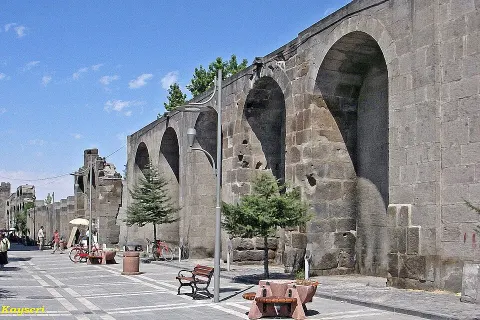

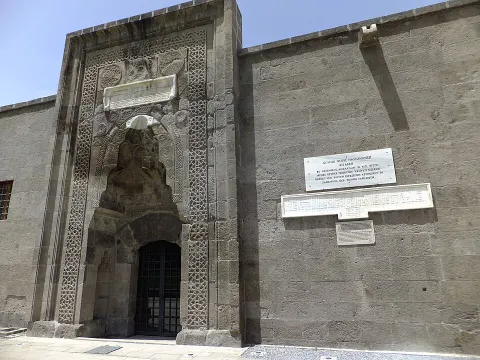
Distances are as the crow flies; driving distance may be longer.
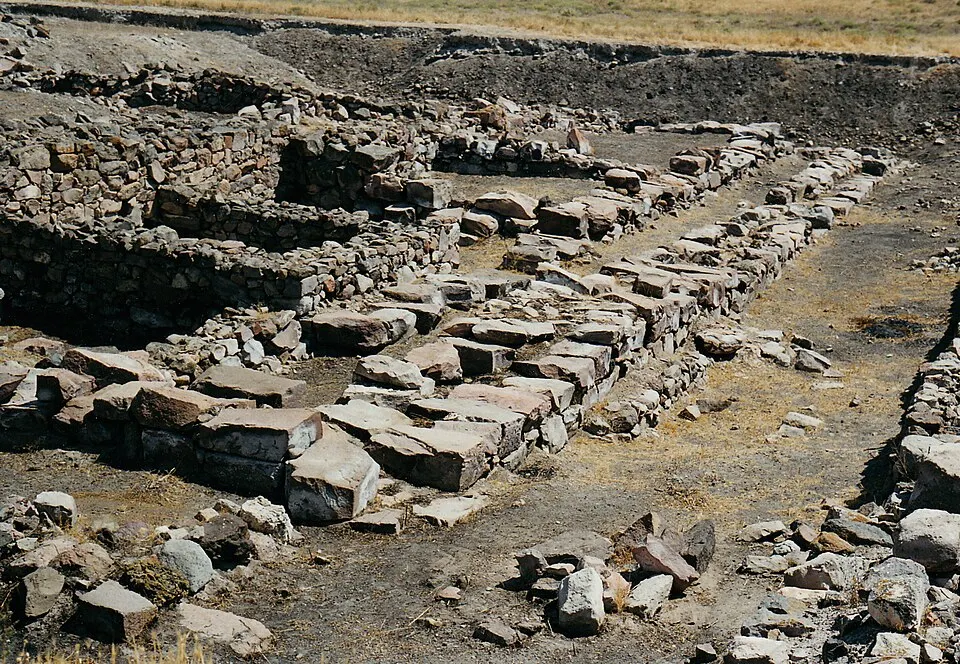
Kültepe
Kültepe, ancient name Kaneš (Kanesh, also Kaniš/Kanish) or Neša (Nesha), was a Bronze Age (broadly, 3300–1200 BC) settlement and trading center on…
Details
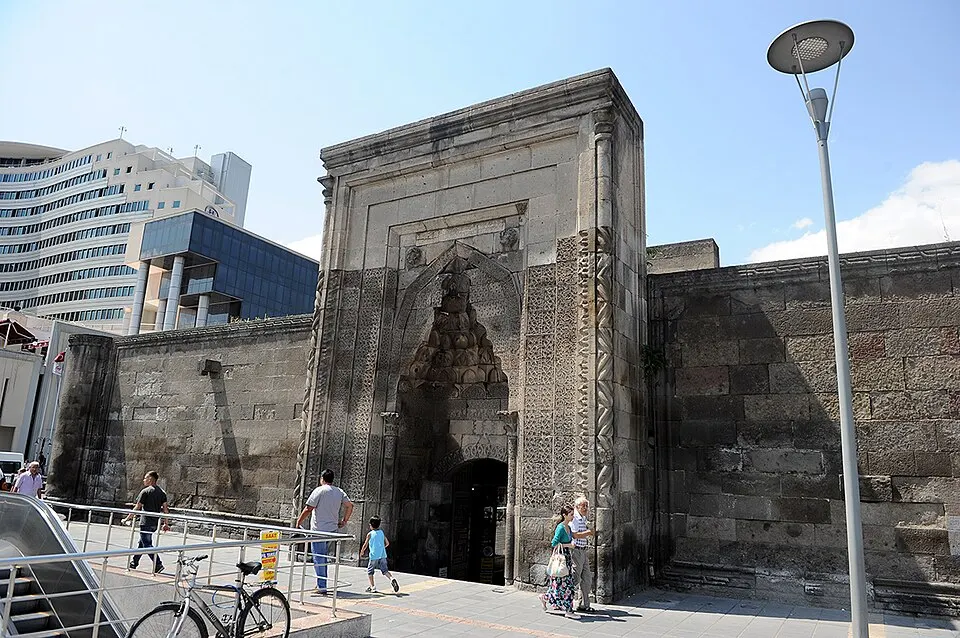

Aladağlar National Park
The Aladağlar National Park, established on April 21, 1995, is in southern Turkey.
Details
Sultan Han
Sultan Han is a historic Seljuk-era caravanserai in Turkey, located 47 km northeast of Kayseri on the road to Sivas, in an area also known as…
Details

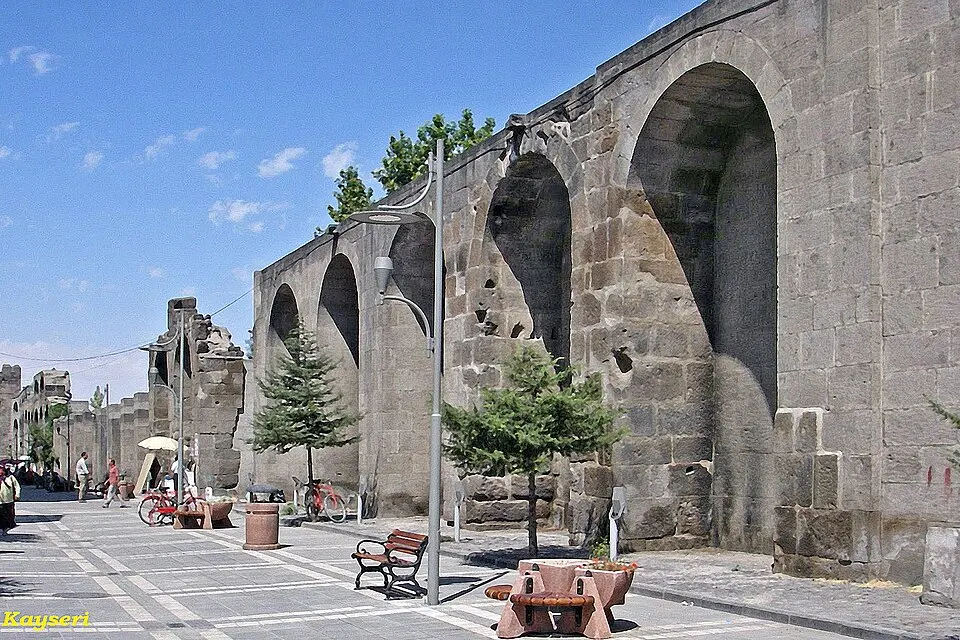
Kayseri Castle
Kayseri Castle is a castle built in antiquity and first mentioned in a coin during the rule of Gordian III between 238 and 244 AD.
Details